Understanding the Link Slot Concept in Child Development
The concept of a link slot is gaining traction within the realm of early childhood education, particularly in contexts that emphasize interactive and play-based learning. Link slots represent the mental and physical connections that toddlers create through their experiences and interactions, serving as foundational elements in their cognitive, social, and emotional development. As educators and parents recognize the significance of these links, they can better support the holistic growth of children in their formative years.
What is a Link Slot?
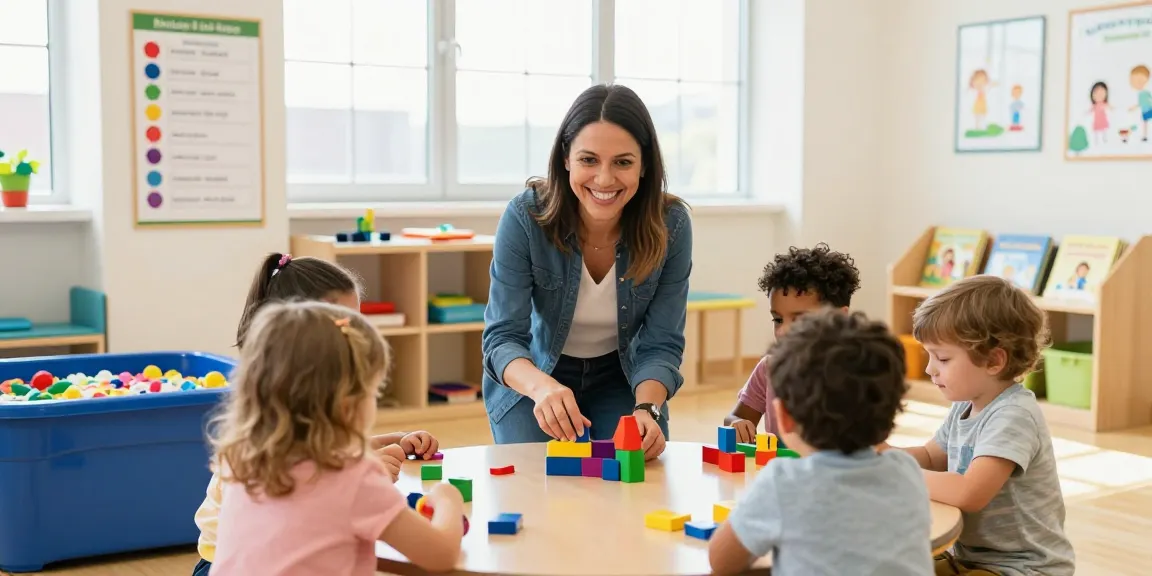
A link slot can be defined as a space or opportunity where children can engage in activities that foster connections between different concepts, skills, or experiences. These slots are not merely physical spaces but represent moments in a child’s learning journey where they can explore, experiment, and interact with their environment. For instance, a play activity that involves stacking blocks not only enhances fine motor skills but also encourages problem-solving, spatial awareness, and social interaction.
The Importance of Linking Skills for Toddlers
Linking skills are crucial for toddlers as they form the building blocks for more complex cognitive processes. When children learn to make connections between concepts, they enhance their understanding of the world around them. This ability to link is vital for language development, where toddlers begin to associate words with meanings, actions with reactions, and social behaviors with emotional outcomes. As they develop these linking skills, they become more adept at navigating social situations and learning new information.
Common Misconceptions about Linking in Education
Despite its importance, there are several misconceptions about linking skills in early education. One common belief is that linking requires structured, formal instruction. However, research indicates that linking occurs naturally through play and exploration. Another misconception is that linking skills are solely about cognitive abilities, ignoring the emotional and social dimensions that are equally important for comprehensive development.
Benefits of Using Link Slots in Early Learning
Utilizing link slots in early learning environments offers a multitude of benefits that can significantly enhance a toddler's developmental trajectory. By fostering these connections through playful activities, educators can create rich learning experiences that address various aspects of child development.
Cognitive Development through Play
Engagement in play is essential for cognitive development, as children learn best when they are actively involved in their learning process. Link slots provide opportunities for this engagement, allowing toddlers to practice critical thinking, memory recall, and problem-solving skills in a low-pressure environment. Activities such as puzzles, interactive storytelling, and collaborative games help strengthen these cognitive abilities through meaningful interaction.
Enhancing Coordination and Fine Motor Skills
Link slots are also beneficial for developing fine motor skills and hand-eye coordination. Activities such as threading beads, building with blocks, or manipulating playdough encourage toddlers to refine their motor skills while making connections between actions and outcomes. This fine motor development is crucial as it lays the groundwork for later skills, such as writing and self-care tasks.
Social Skills Development in Group Activities
When children participate in activities that promote link slots, they often do so in group settings, which significantly enhances their social skills. Through collaborative play, toddlers learn to communicate, negotiate, and share, all of which are essential for healthy social development. These interactions provide valuable lessons in empathy, cooperation, and conflict resolution, which are foundational for their future relationships.
Implementing Link Slot Activities in the Classroom
To maximize the benefits of link slots, educators must thoughtfully implement activities that promote active engagement and connection-making. This requires creativity and flexibility in designing the learning environment and daily routines.
Creating Engaging Play Centers
One effective way to implement link slots in the classroom is through the establishment of play centers tailored to various learning domains. For example, a sensory play center with water, sand, and various textures encourages exploration and sensory linking, while a language center filled with books and storytelling props promotes literacy connections. These play centers should be dynamic and adaptable, allowing for ongoing adjustments to meet the evolving interests and needs of the children.
Integrating Link Slots into Daily Routines
Integrating link slot activities into daily routines can enhance children's learning experiences. Simple transitions, such as circle time discussions that relate to previous lessons or thematic activities that connect different concepts, can encourage children to make connections effortlessly. For instance, during snack time, discussing the colors and shapes of fruits can reinforce mathematical concepts while promoting healthy eating habits.
Assessing Children’s Progress with Linking Skills
Effective assessment of linking skills is essential for understanding each child’s developmental progress. Educators should use observational methods, anecdotal records, and structured assessments to gauge children's abilities to make connections. Documenting these observations can help tailor future activities to better support individual learning trajectories.
Link Slots versus Traditional Learning Methods
As educational philosophies continue to evolve, understanding the differences between link slots and traditional learning methods has become increasingly important. While both approaches have their merits, recognizing their unique benefits can help educators choose the most effective strategies for their students.
Play-Based Learning vs. Structured Activities
Play-based learning, centered around the concept of link slots, contrasts with more traditional, structured activities that prioritize rote memorization and direct instruction. In play-based settings, children learn through exploration and interaction, fostering a deeper understanding of concepts. Structured activities, while beneficial for certain skill development, may not provide the same level of engagement or connection-making opportunities.
Real-World Examples of Successful Integration
Many educational institutions have successfully integrated link slots into their curricula. For instance, kindergartens that incorporate outdoor learning experiences promote active exploration and natural linking of ideas, such as observing changes in nature during different seasons. Schools that utilize project-based learning allow children to engage in hands-on projects that require collaboration and creative thinking, effectively using link slots to enhance learning outcomes.
Expert Insights on Modern Teaching Approaches
Recent research highlights the importance of modern teaching approaches that prioritize linking skills through innovative strategies. Experts advocate for incorporating technology, interactive resources, and flexible learning environments to create engaging link slots. The focus is shifting toward preparing children for an increasingly complex world by promoting adaptability, critical thinking, and creativity.
Future Trends in Child Development for 2026 and Beyond
As we look to the future of child development, understanding emerging trends is essential for educators and parents alike. The evolution of learning strategies will likely continue to emphasize the importance of link slots and their role in fostering comprehensive growth.
Technology and Interactive Learning Environments
The integration of technology in early education is set to expand significantly by 2026. Interactive learning tools, such as educational apps and virtual reality experiences, can create new link slots for children, offering immersive opportunities for exploration and learning. These technologies can facilitate unique connections between concepts, enriching the educational experience.
Parental Involvement in Learning Activities
Another trend is the increasing emphasis on parental involvement in their children's education. As parents engage in learning activities at home, they create additional link slots that reinforce concepts taught in school. This partnership between home and school fosters a cohesive learning environment, supporting children's overall development.
Predictions for the Evolution of Learning Strategies
The future of learning strategies will likely focus on personalized education that caters to individual children's needs and interests. With growing recognition of different learning styles, educators will increasingly adopt methods that allow children to explore and connect ideas in ways that resonate with them, thus creating richer link slots for learning.
What are the best link slot activities for toddlers?
Some of the best link slot activities for toddlers include open-ended arts and crafts, interactive storytime, and sensory play with various materials. These activities promote creativity and exploration while allowing children to make connections within their learning experiences.
How can parents support learning at home?
Parents can support learning at home by engaging in play-based activities, reading regularly with their children, and creating opportunities for exploration. Simple tasks like cooking together or gardening can serve as effective linking activities that promote learning and bonding.
What trends are shaping early childhood education?
Current trends in early childhood education include a focus on play-based learning, increased use of technology, and a greater emphasis on social-emotional learning. These trends highlight the importance of building strong link slots in children’s educational experiences.
How do link slots improve fine motor skills?
Link slots improve fine motor skills through activities that involve manipulation and dexterity, such as building with blocks, drawing, and using scissors. These tasks enhance hand-eye coordination and muscle control, which are essential for later academic skills.
What resources are available for educators?
Educators can find numerous resources to support the implementation of link slots in their classrooms. Professional development workshops, online courses, and educational publications provide valuable insights and strategies for creating engaging learning environments.